Going all the way back to April, I took a few days of rest after an intense winter and spring of track racing. To get going again, I decided to take a small three day bikepacking trip around the Netherlands. I first headed west to De Zilk, a small town on the coast, where I happened to run into the annual Flower Parade in the famous tulip fields of the Netherlands. The next day I headed north along the sand dunes that extend up the Atlantic coast of the Netherlands, before curving back south through the province of Noord-Holland to Amsterdam. On my final day, I rode up the eastern coastline of Noord-Holland, which follows the Markermeer Lake. The Markermeer, like many bodies of water in the Netherlands, is carefully managed by a dijk (dike), and in this instance, by the Houtribdijk, the second largest open water dijk in the Netherlands, spanning 27km from Noord-Holland to Flevoland. From the dijk, I continued through Flevoland, and then south back to Wageningen to complete my first training block since the Pan American Championships.
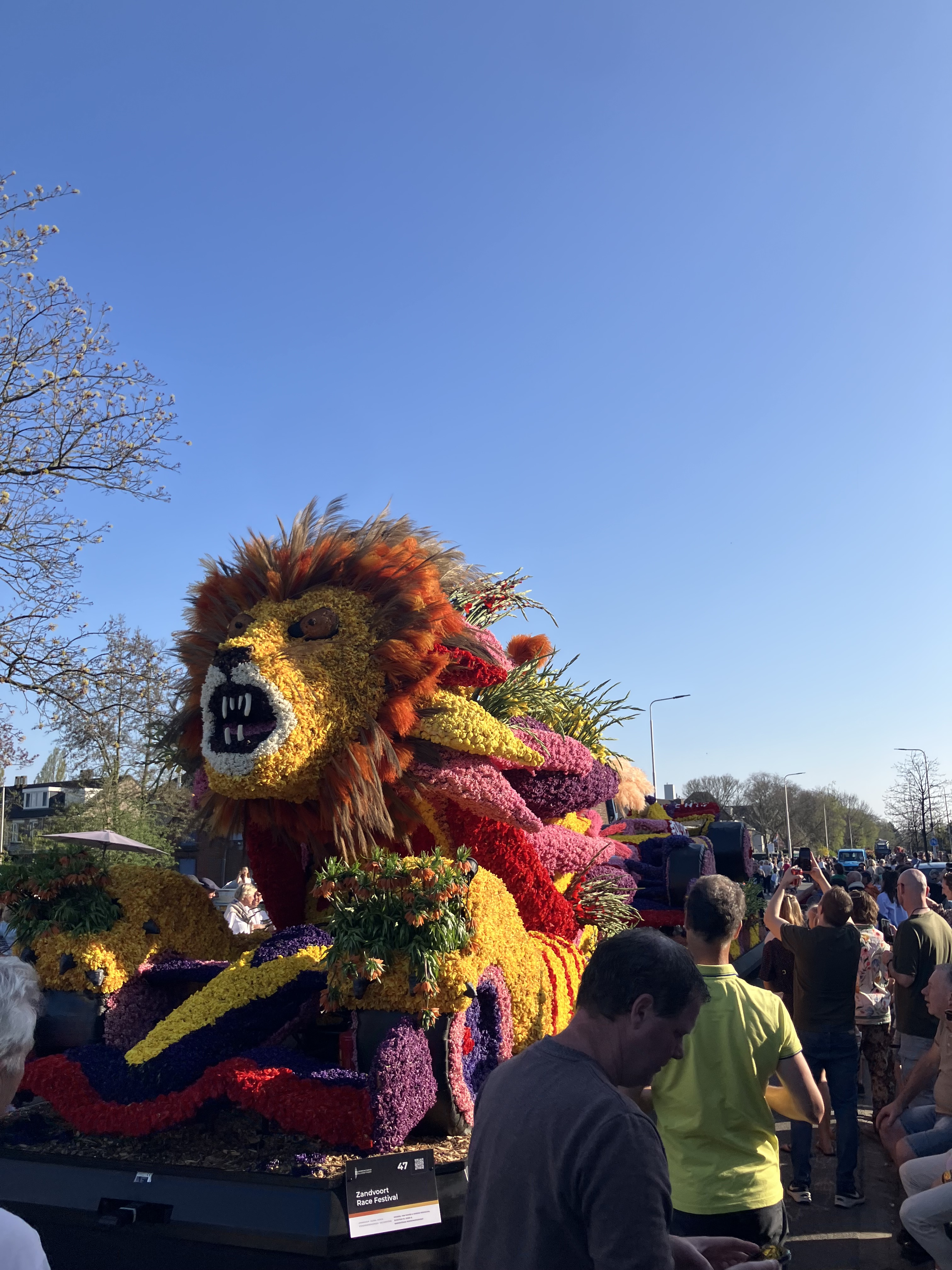
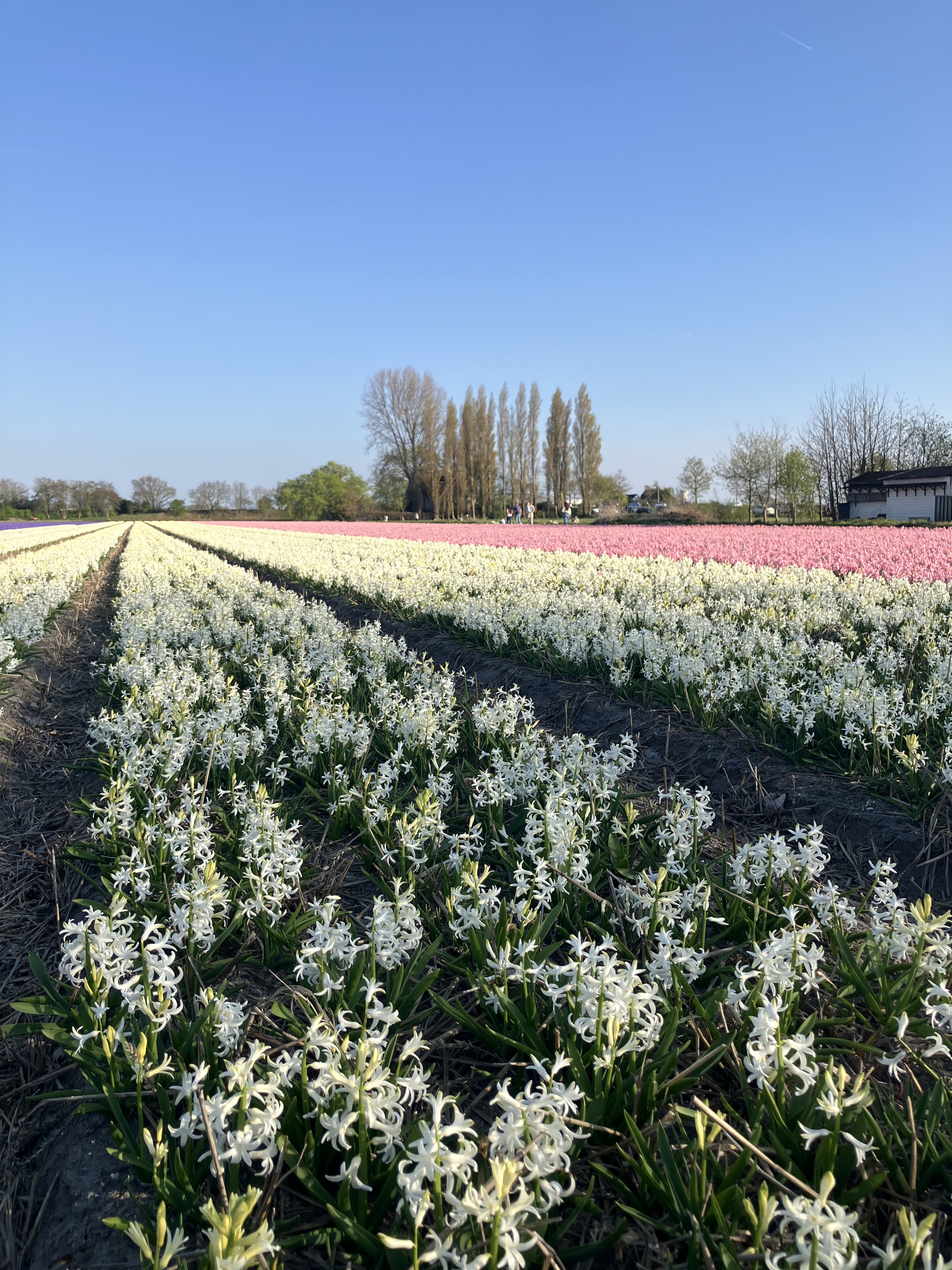
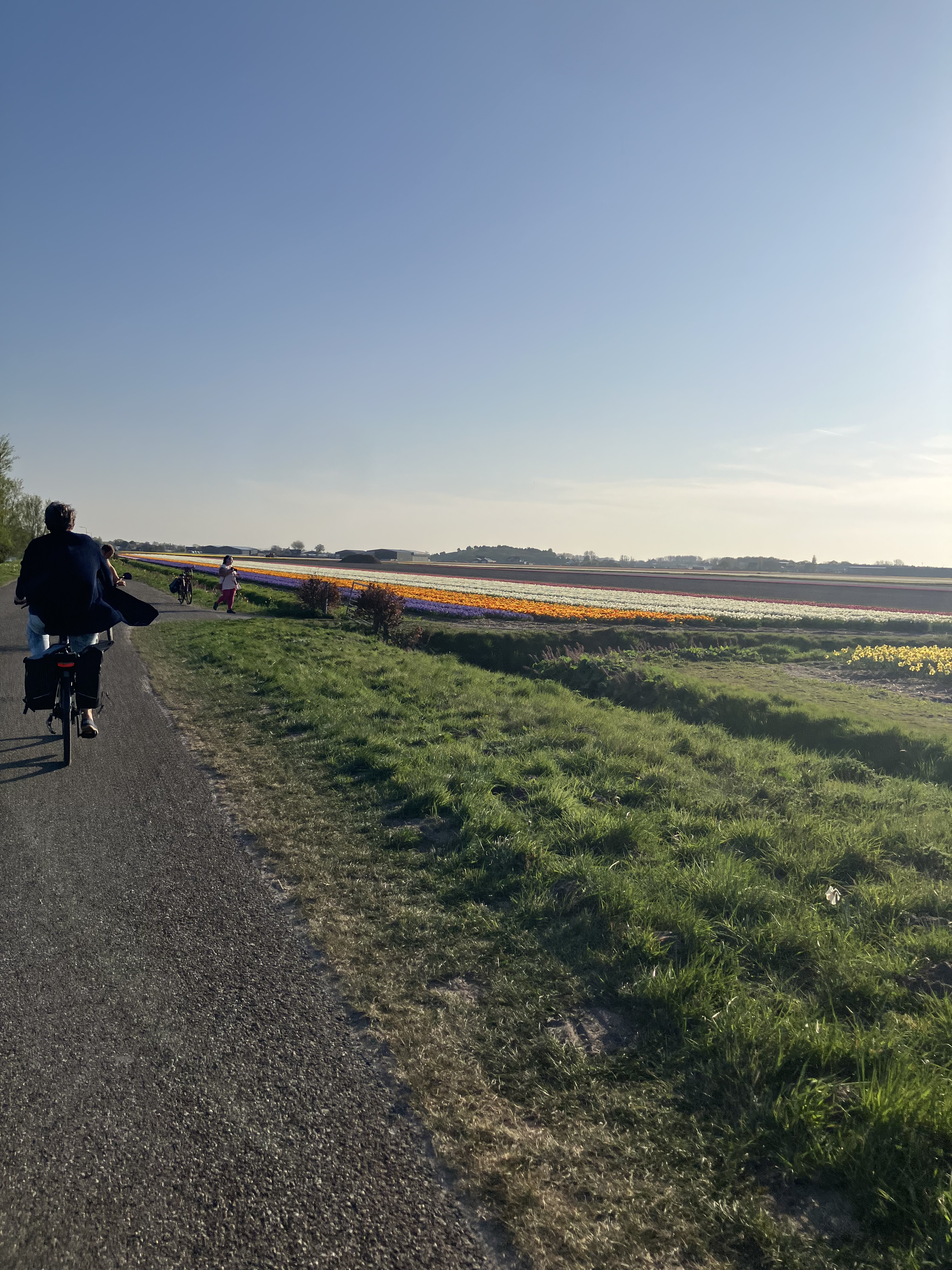
One of the incredibly detailed floats in the Flower Parade and some endless fields of Tulips.
The geography of the Netherlands can be confusing, as much of the land, such as the whole province of Flevoland, was artificially constructed by pumping water out of the Markermeer and IJsselmeer directly back into the ocean. This results in very fertile but constantly sinking land. Much of the Netherlands relies entirely on gemaals (pump houses), which constantly pump water out of below-sea-level areas. The resulting dry areas are called Polders. For this reason the Netherlands is layered with fantastic and striking civil engineering, and the Houtribdijk ranks near the top.
Despite my love for the sport, the high training volume can be mentally fatiguing. One of my more recent strategies to deal with this has been attempting to ride in every gemeente (county) in the Netherlands. The Netherlands is relatively small, roughly the size of Vermont and New Hampshire put together. There are 342 gemeenten in the Netherlands, of which I’ve now ridden in 256. For long training days In April and May, I would pick a gemeente that I hadn’t yet visited, make a loop, and ride there and back. Other than providing a sense of purpose for the ride, it allowed me to see a huge part of the country!
Over the course of my adventures in the Netherlands, one of the many attributes of Dutch culture that I’ve come to appreciate is their appreciation for beauty in simple variety. To many, much of the Netherlands seems similar. Flat, lots of water and djiks, and very green. For those who have access to sharply varied climates and geographies, such as the lakes and flatlands of Minnesota compared to the mountains of Colorado, the minute variation in landscape could be less appreciated and possibly unseen. In the Netherlands, I feel the differences not just between riding in Gelderland (my province) compared to others, but also the small differences between forests such as the Utrechtse Heuvelrug and the Veluwe. When so much seems similar with light focus, appreciation for small details makes variety bloom. For this, and many other reasons, I am grateful for the life I live.
Other than high training volume, I raced steadily on the road with Jan van Arckel throughout the spring, scoring consistent results in criteriums and road races. The spring was punctuated by a visit from Michael Bagnoli, a close friend of mine from both SPA (my high school) and Bowdoin! I hadn’t seen Michael since I graduated from Bowdoin in December 2023, so it was wonderful to see him and show him my life. We finished his visit with a lovely trip to the home of the philosopher Baruch Spinoza in Rijnsburg, near Leiden.
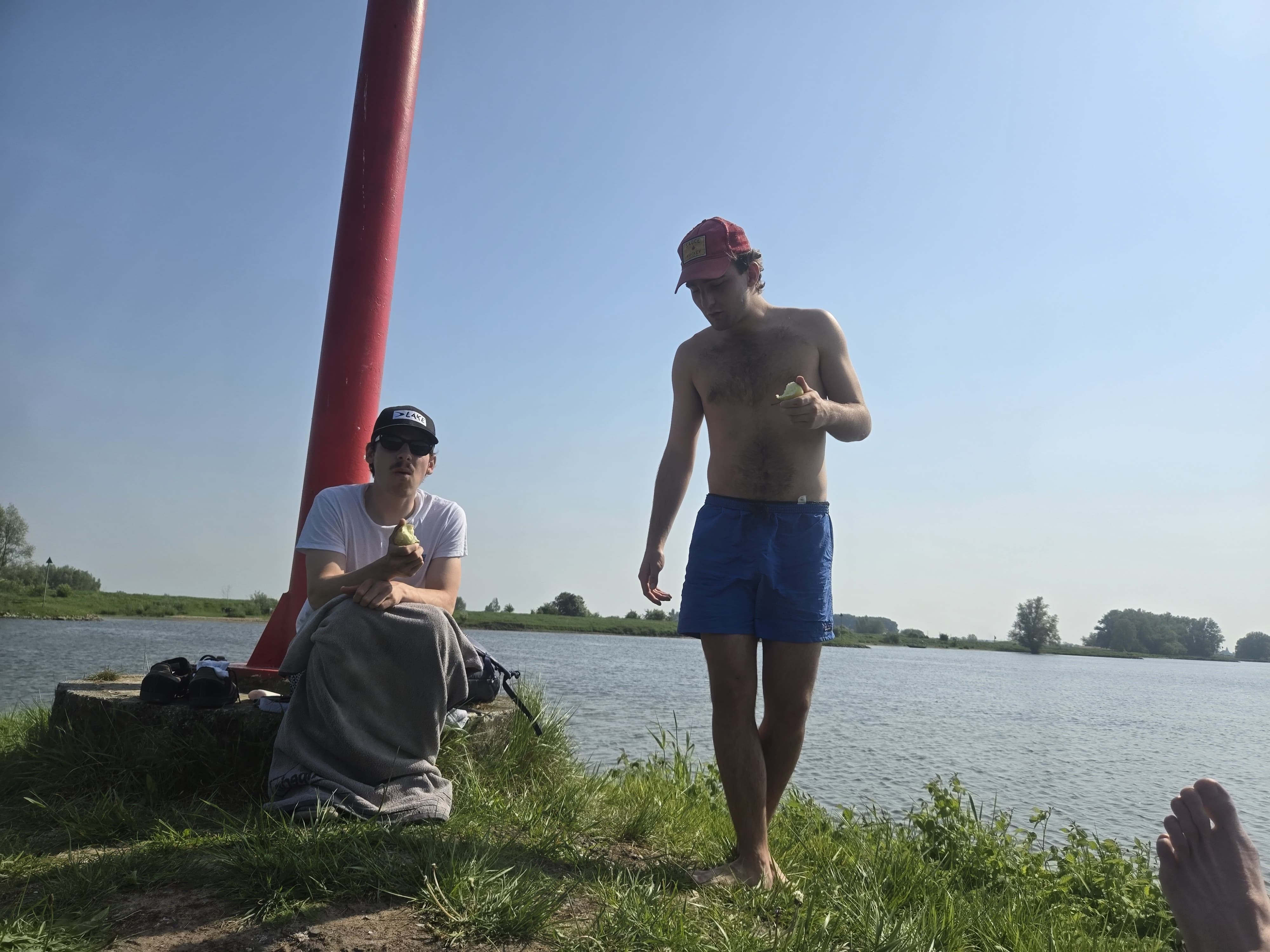
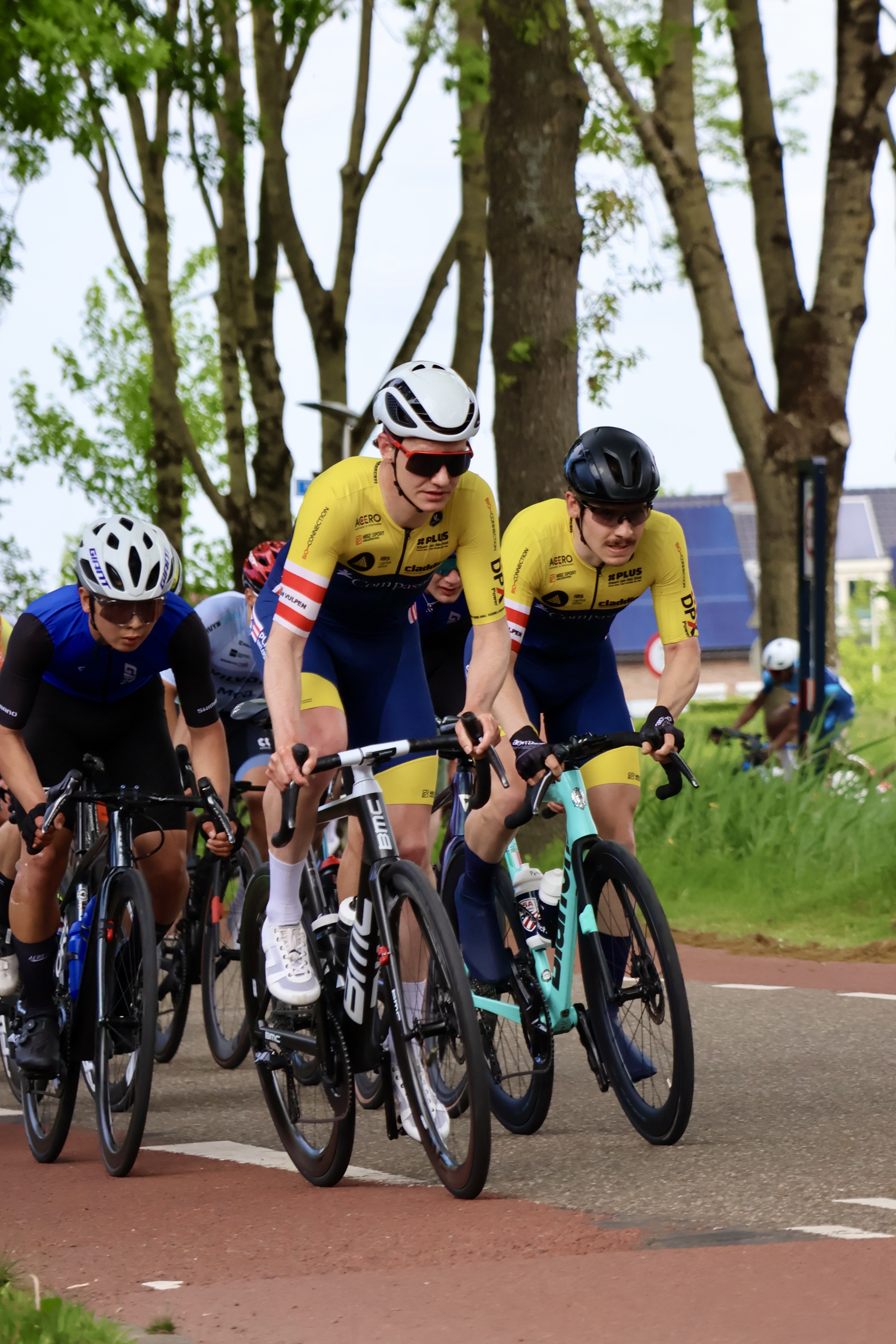
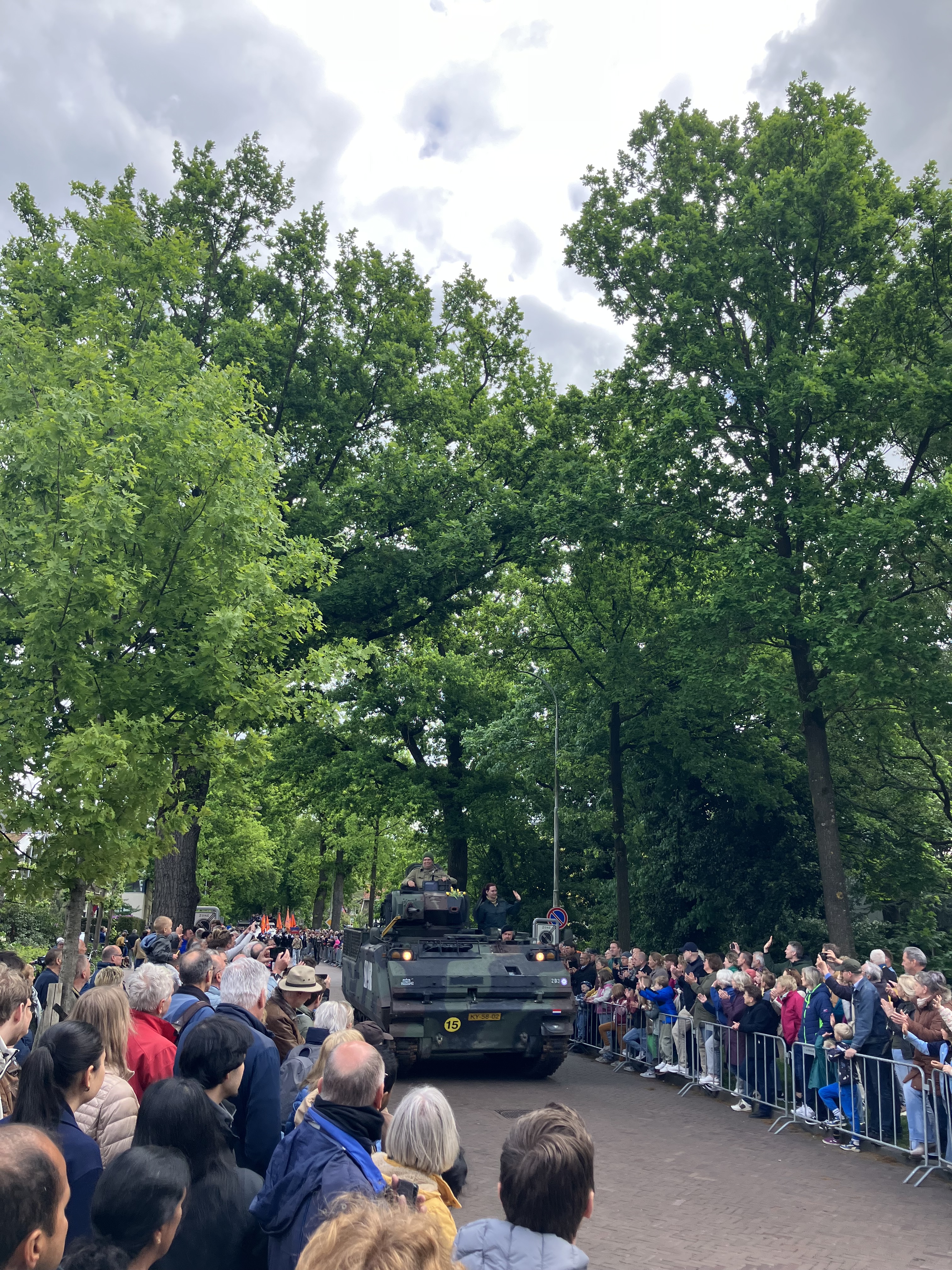
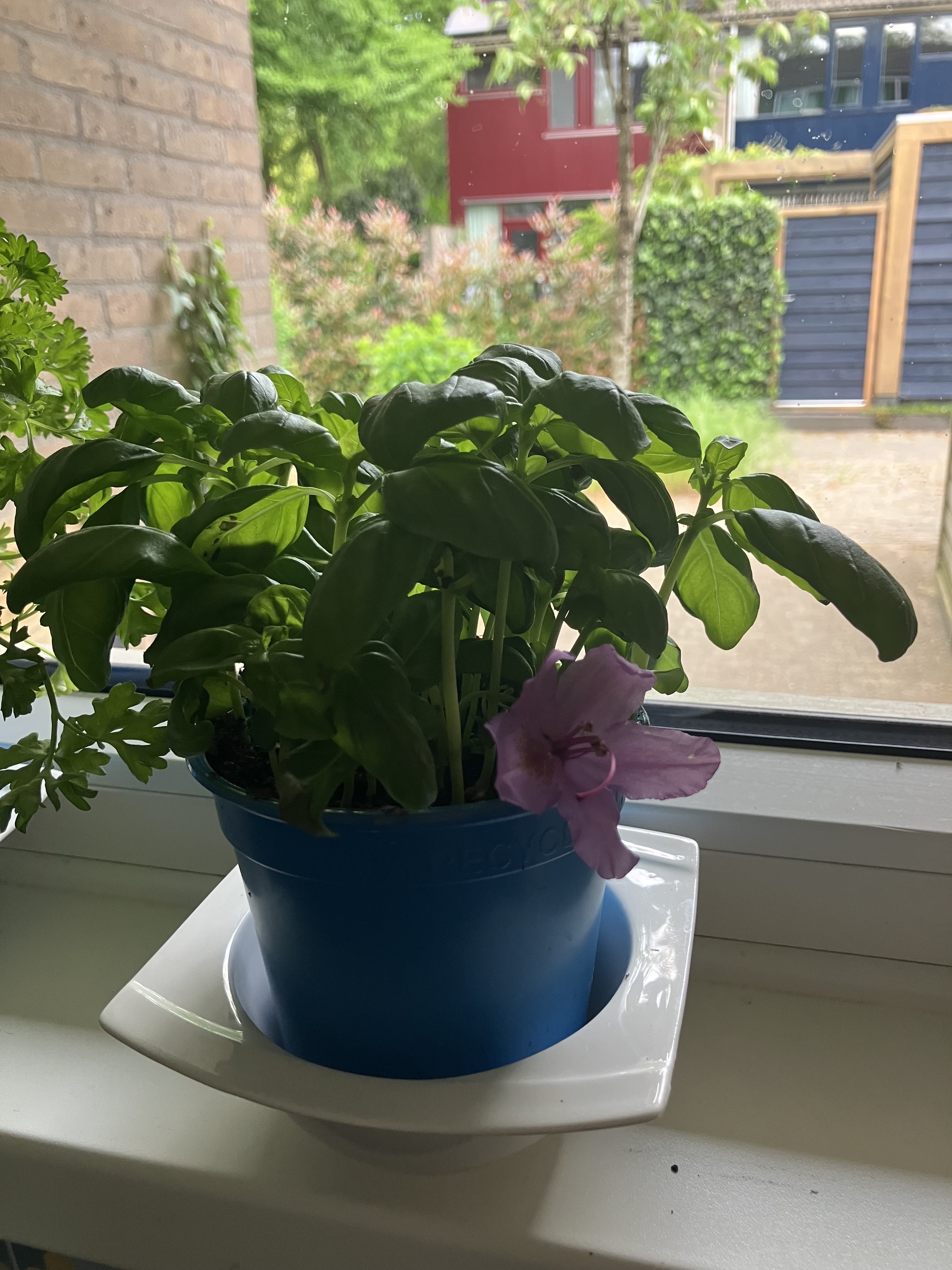
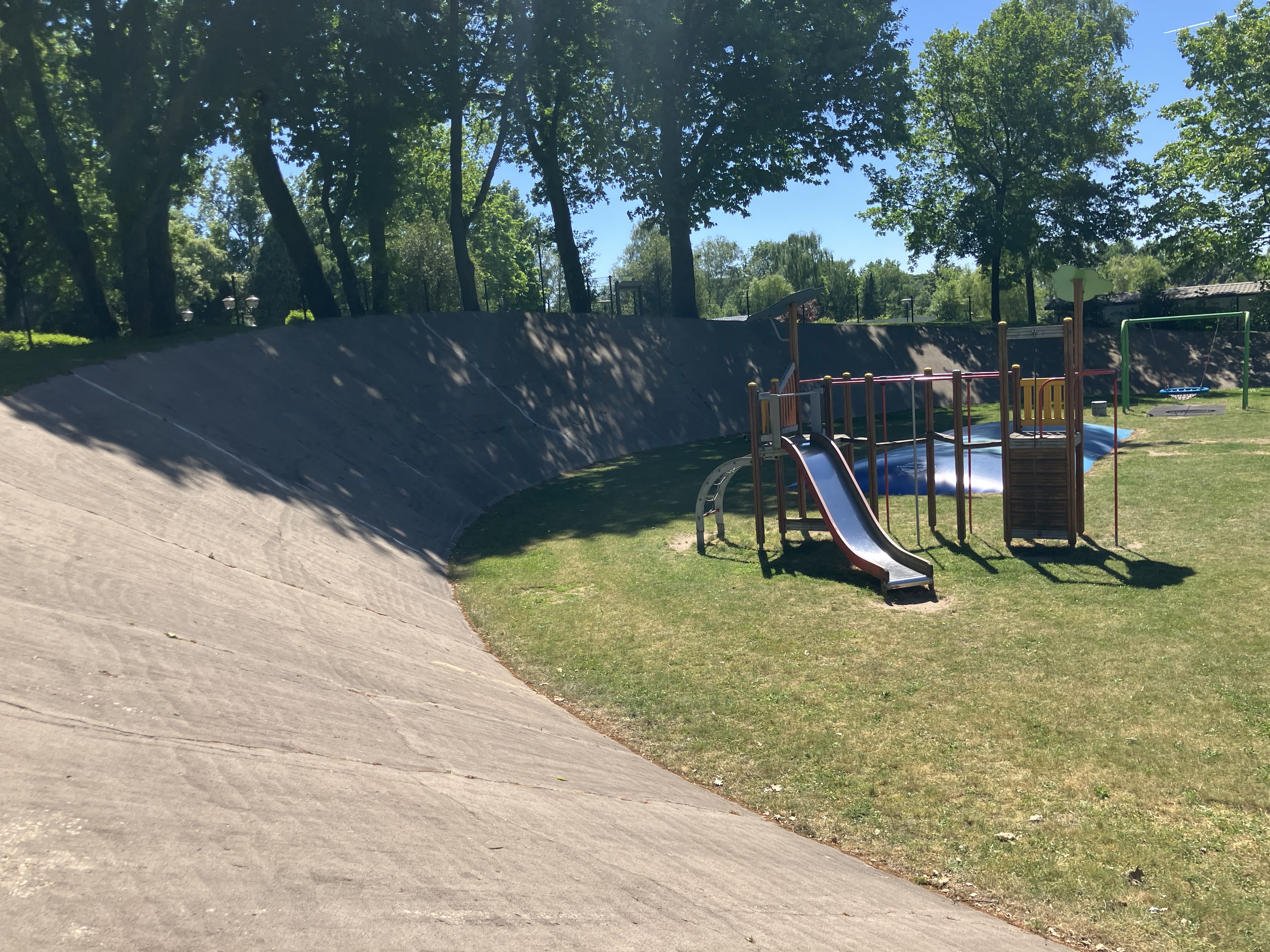
May: relaxing on the Rhine with Michael, some racing, the Bevrijdingsdag parade (WWII Liberation Day in the Netherlands), a flower that a little girl gave me which I added to my basil plant, and the old velodrome in Wageningen which has since been turned into a playground.
I capped off my spring by racing the Flèche du Sud, a five day stage race in the south of Luxembourg, as a guest rider for the Norwegian team Sandnes Sykelklubb, which is based near Stavanger. I thoroughly enjoyed the parcours and found myself consistently racing the finals of each stage, at one point setting a new speed record of 104kmh (65mph) on a descent! Many thanks to director May-Britt Valand and Sandnes for their support.
Directly after Luxembourg, in early June I planned ten days back at home in Minnesota. Getting there was hectic, as usual with much of my recent travel. I finished the Flèche du Sud at 4pm, started driving at 5pm, arrived back in Wageningen at 9pm, unpacked, did laundry, repacked, and left the house at 9am the next morning for a 1pm flight from Amsterdam. I hadn’t been in MN since April of 2024, when I was recovering from a concussion. Between training and medical appointments, I was very busy, but found the time to see and ride with many friends and family.
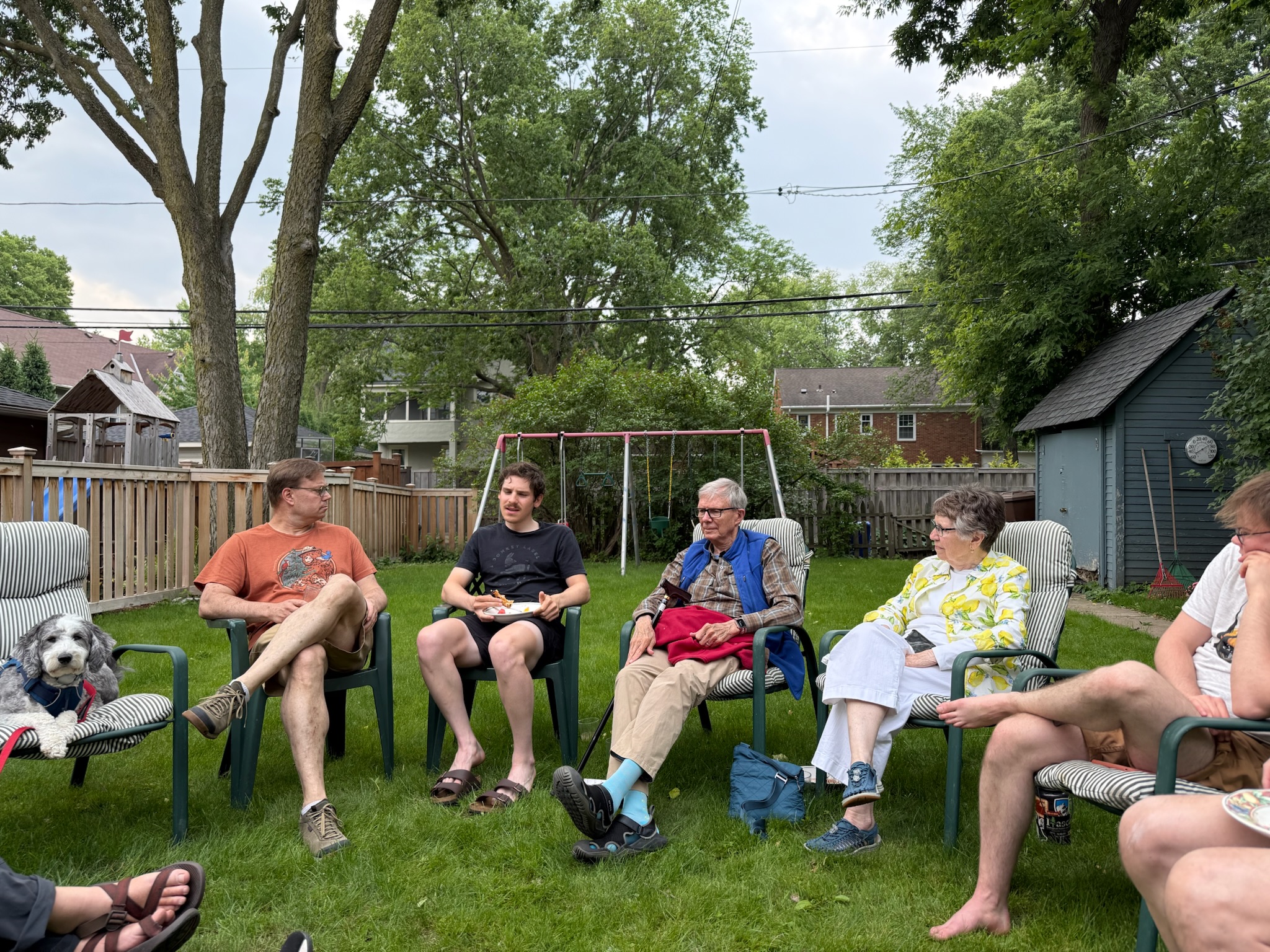
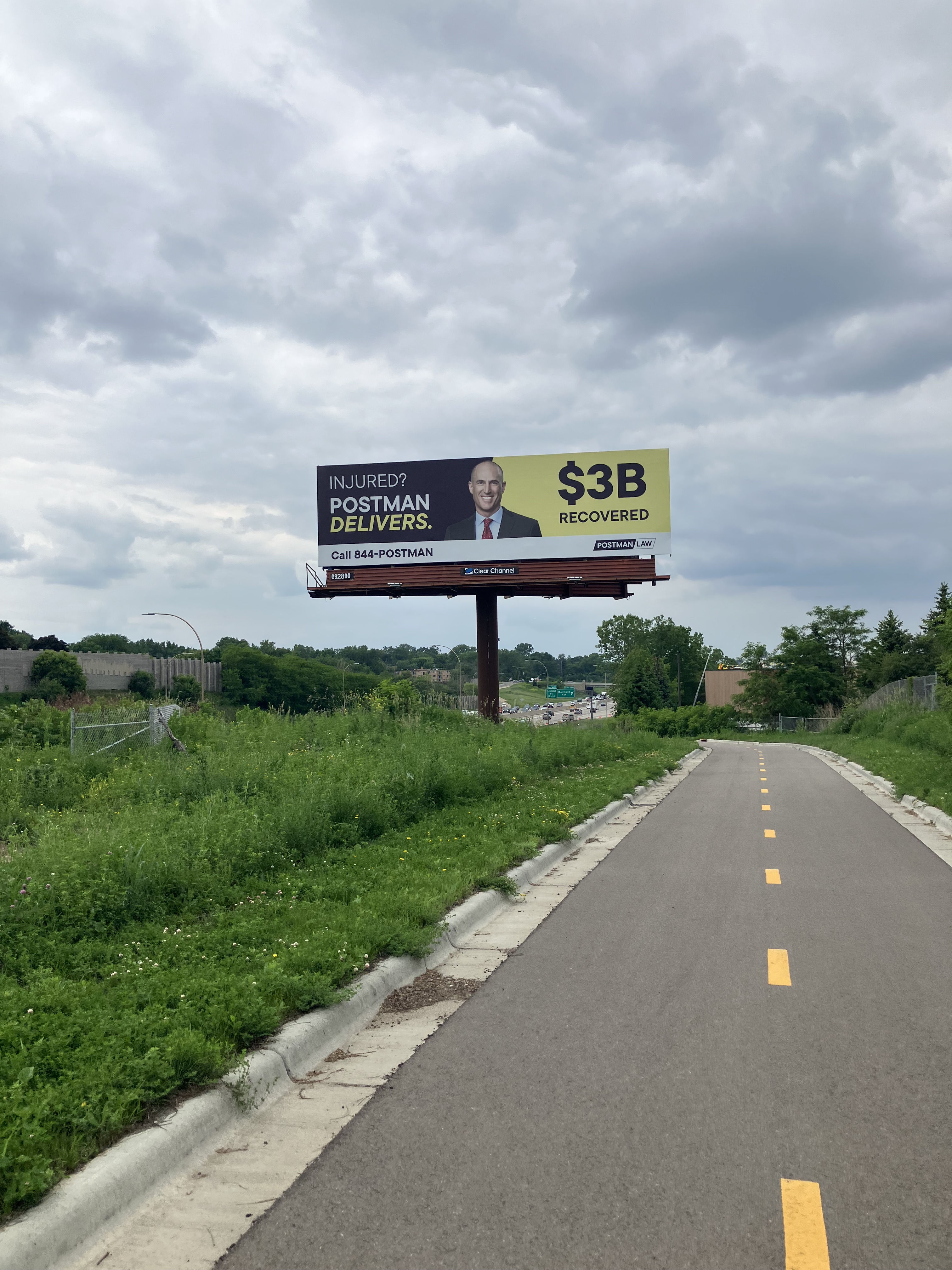
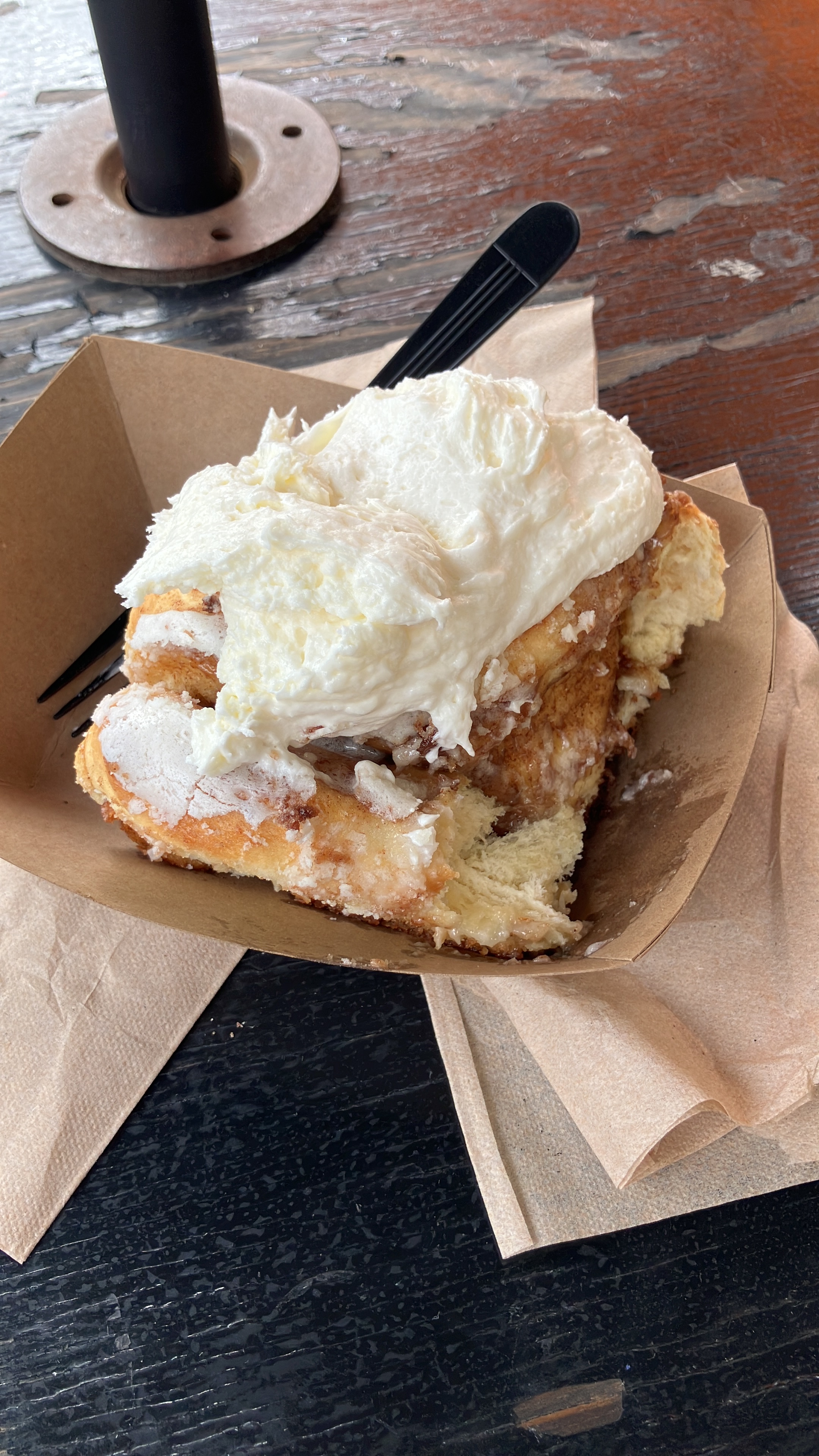
Home. Family, a reminder that there are billboards for personal injury lawyers in the US, and a ride stop at Isles Buns in Minneapolis (thanks Renae Anderson).
The trip ended with a whirlwind, as I headed to the A2 wind tunnel near Charlotte, North Carolina for a day of aerodynamic testing. In the constant pursuit for speed, cyclists deal with two main components: power applied to the pedals, and wind resistance. Wind resistance, which increases with the square of speed, thus becomes critical for track racing, where average speeds range from 50-65kmh (30-40mph). This means that the wind resistance I face at top speed on the track could be nearly seven times greater than one might experience on an easy road ride.
Unfortunately, aerodynamics are extremely unintuitive. For some riders, a higher position may be faster, while for others, a lower position can be faster. A myriad of different factors influence aerodynamics such as stack height, shoe selection, fabric tension over your body, fabric texture, equipment selection, body size, helmet shape, and many more, all of which interact with each other in different ways. My track team, TurboVelo Pickle Juice, gave me the opportunity to spend a day at the A2 Wind Tunnel seeking to lower my CdA, or coefficient of aerodynamic drag, and to find more comfortable or powerful positions with the same CdA. It’s difficult to explain what a wind tunnel looks like, so I’ll let the pictures do the talking. The fans are positioned at the rear of the tunnel so that the air is pulled over my body, allowing it to be “smooth.” In a rough explanation, bikes are positioned on a highly sensitive scale that measures how much the bike/rider system moves backwards when pushed by a given wind velocity. Together with aerodynamic advisor Heath Dotson, Tristan Manderfeld, and my Mom who both joined for the trip, we were able to complete 27 test runs over three hours. The process is highly detailed and surprisingly exhausting. By the end of the day, I hadn’t found many true gains in CdA, but rather found many ways to make my position more comfortable while keeping the same CdA. If you can’t maintain a position, it’s worthless in a race.
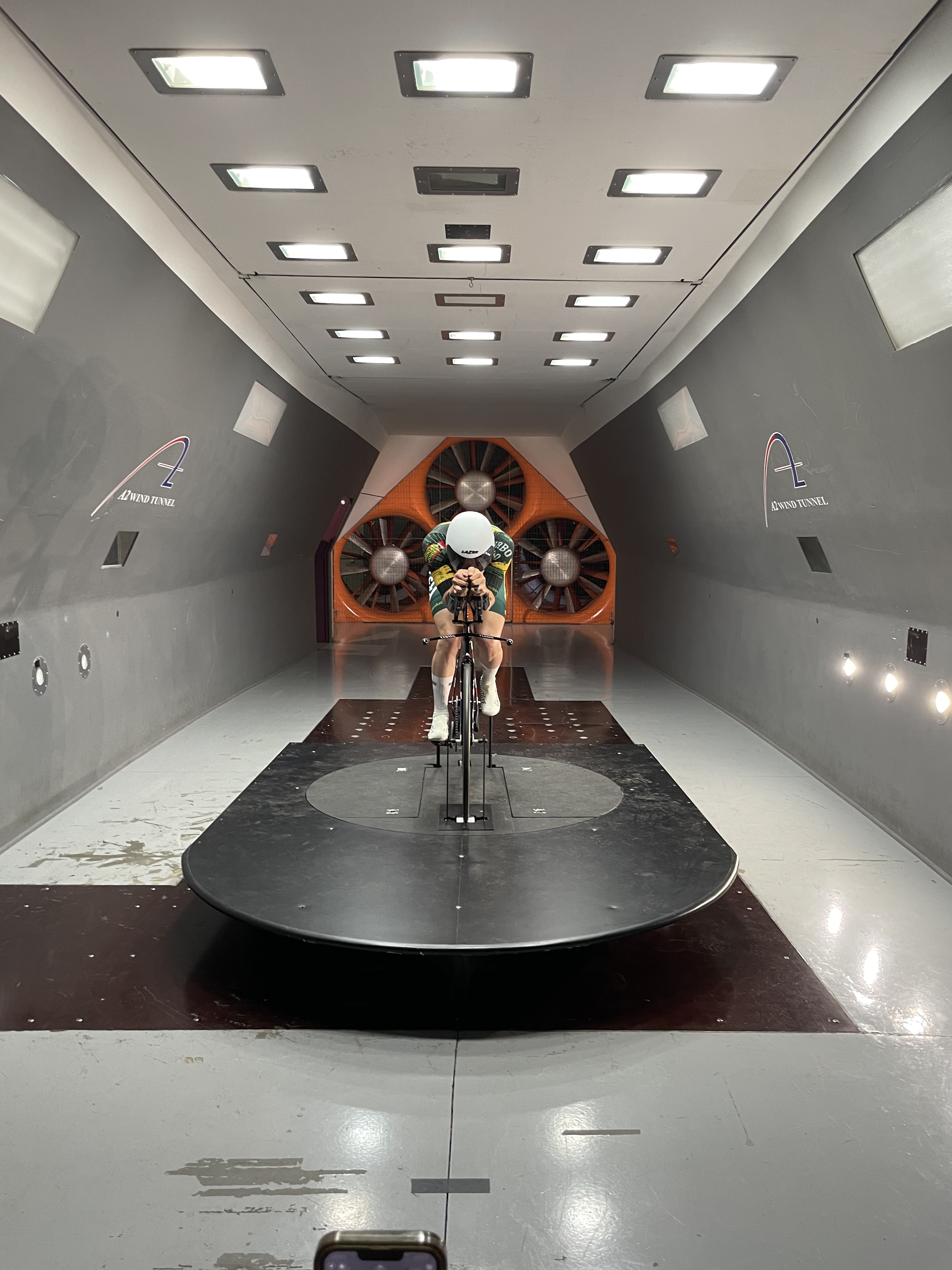
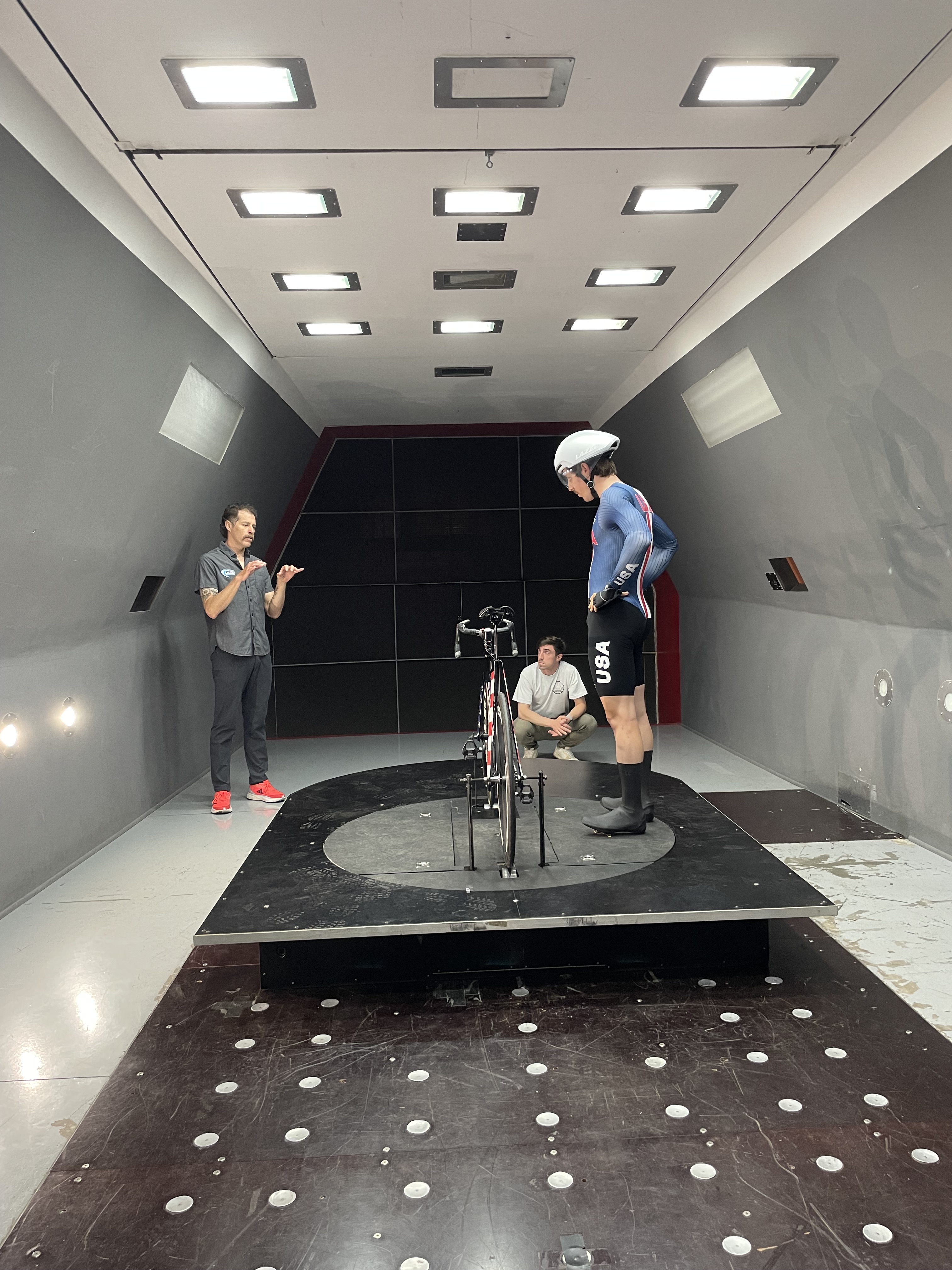
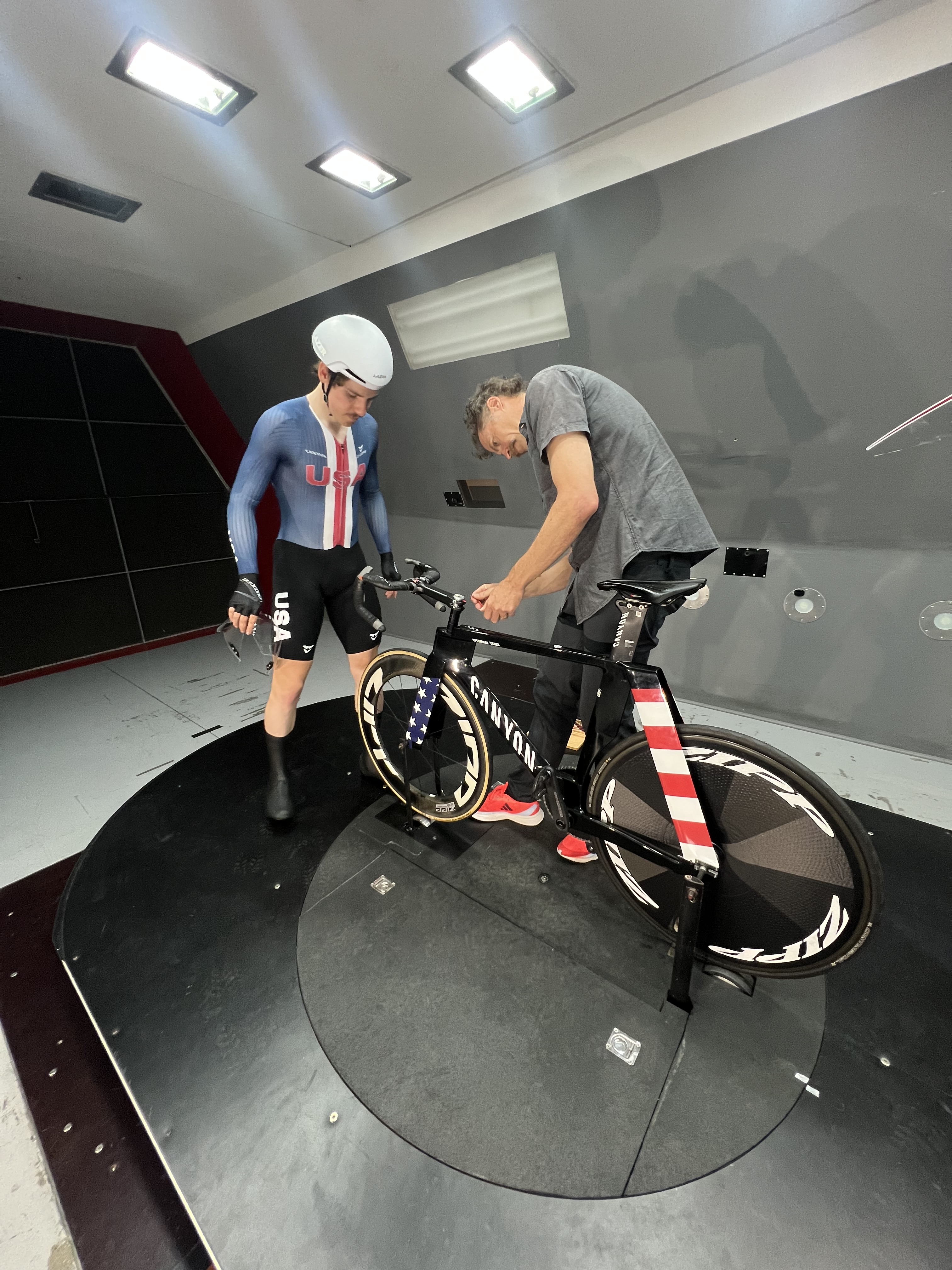
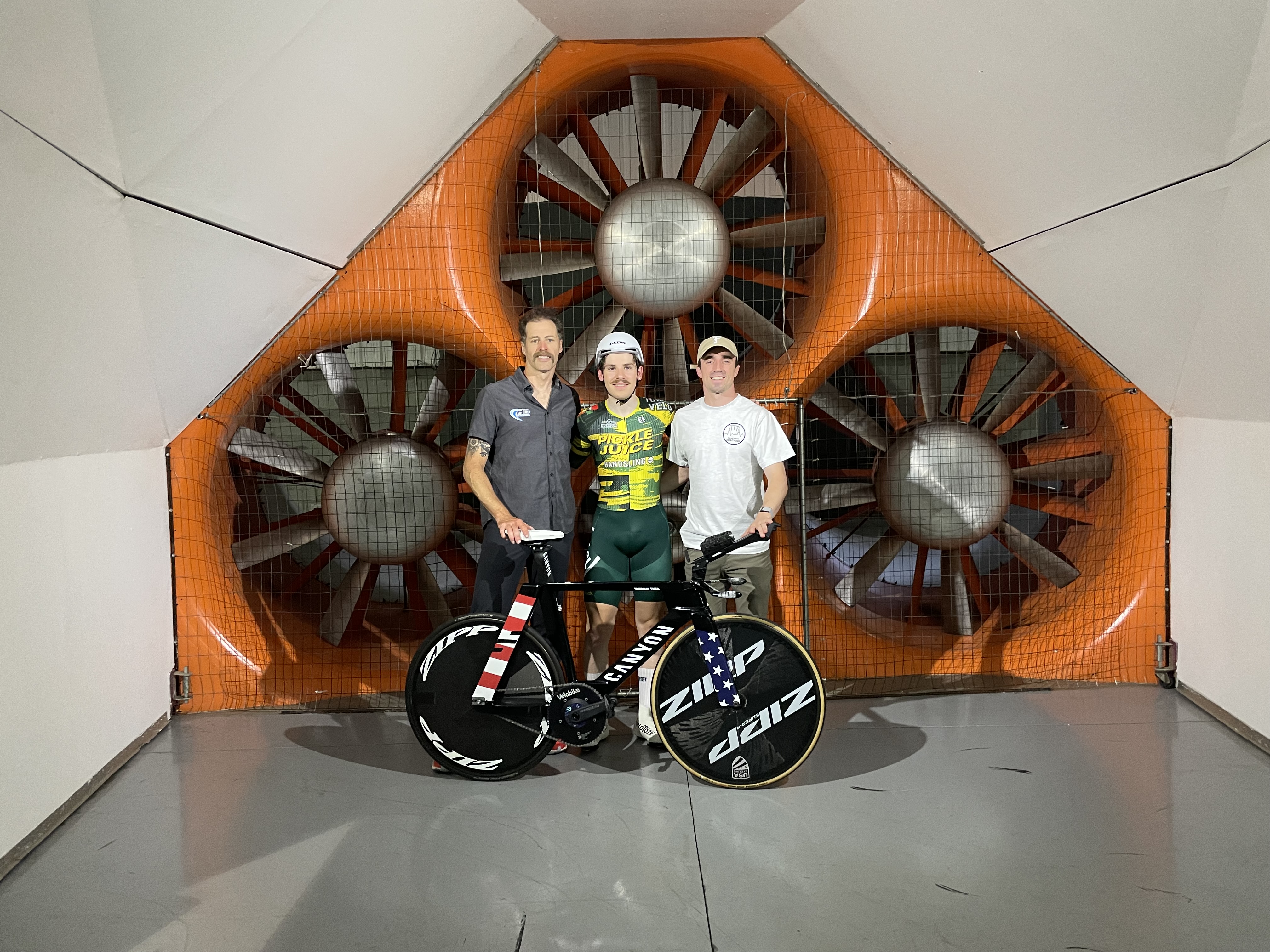
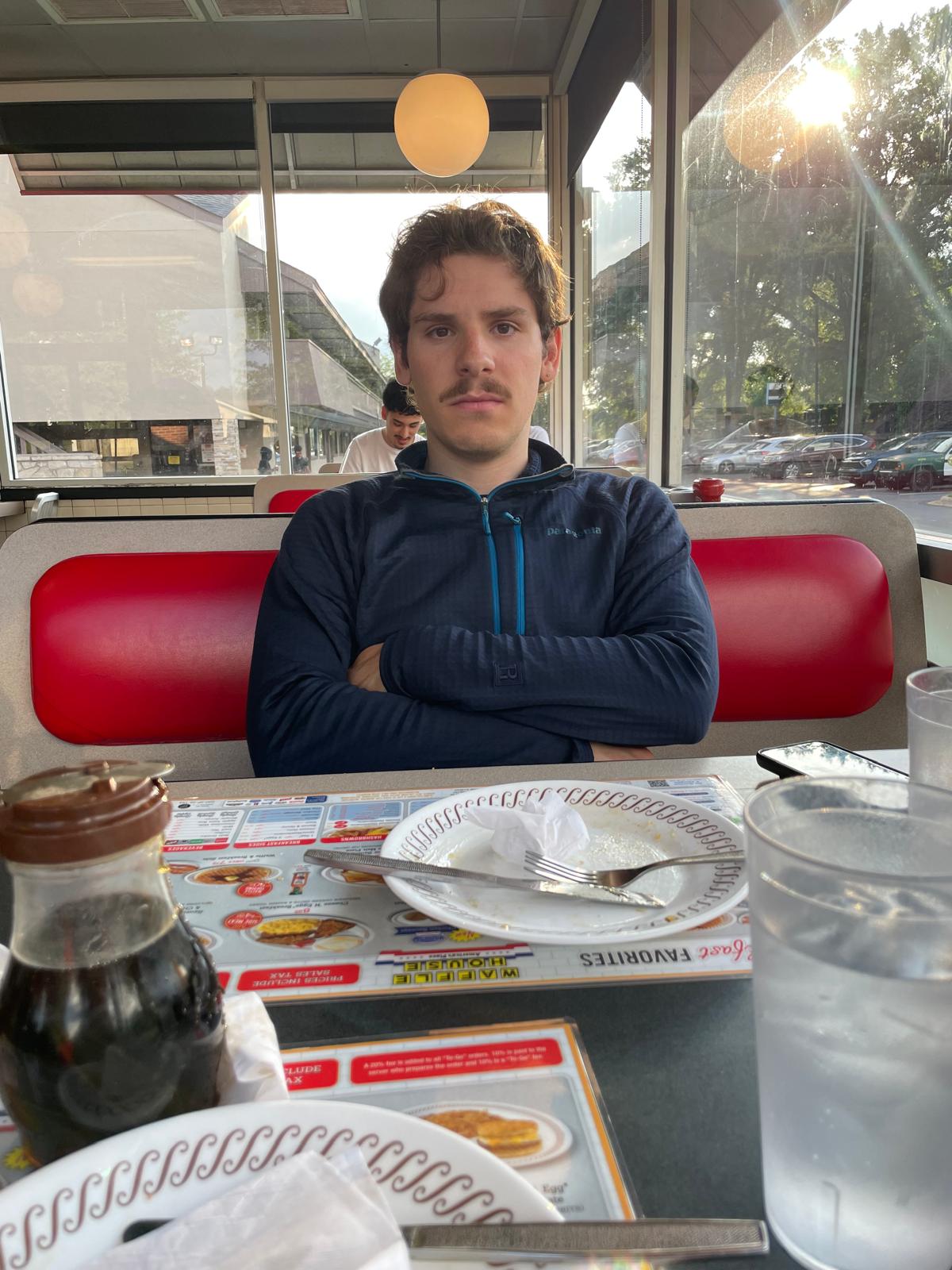
Wind tunnel shots and a Waffle House stop with my mom after our flight home was delayed. Credit Tristan Manderfeld.
Well, now we’re up to the middle of June. I’ll be back soon with an update that brings us to the present day.
 Peter Moore on the Road
Lovely! Love your stay-curious/beginner’s mind approach to high-volume training in an allegedly dull landscape, loved learning about the wind tunnel, and the closing shot (“Grumpy at The Waffle House”) is excellent. Thanks for sharing your journey. xx
LikeLiked by 1 person